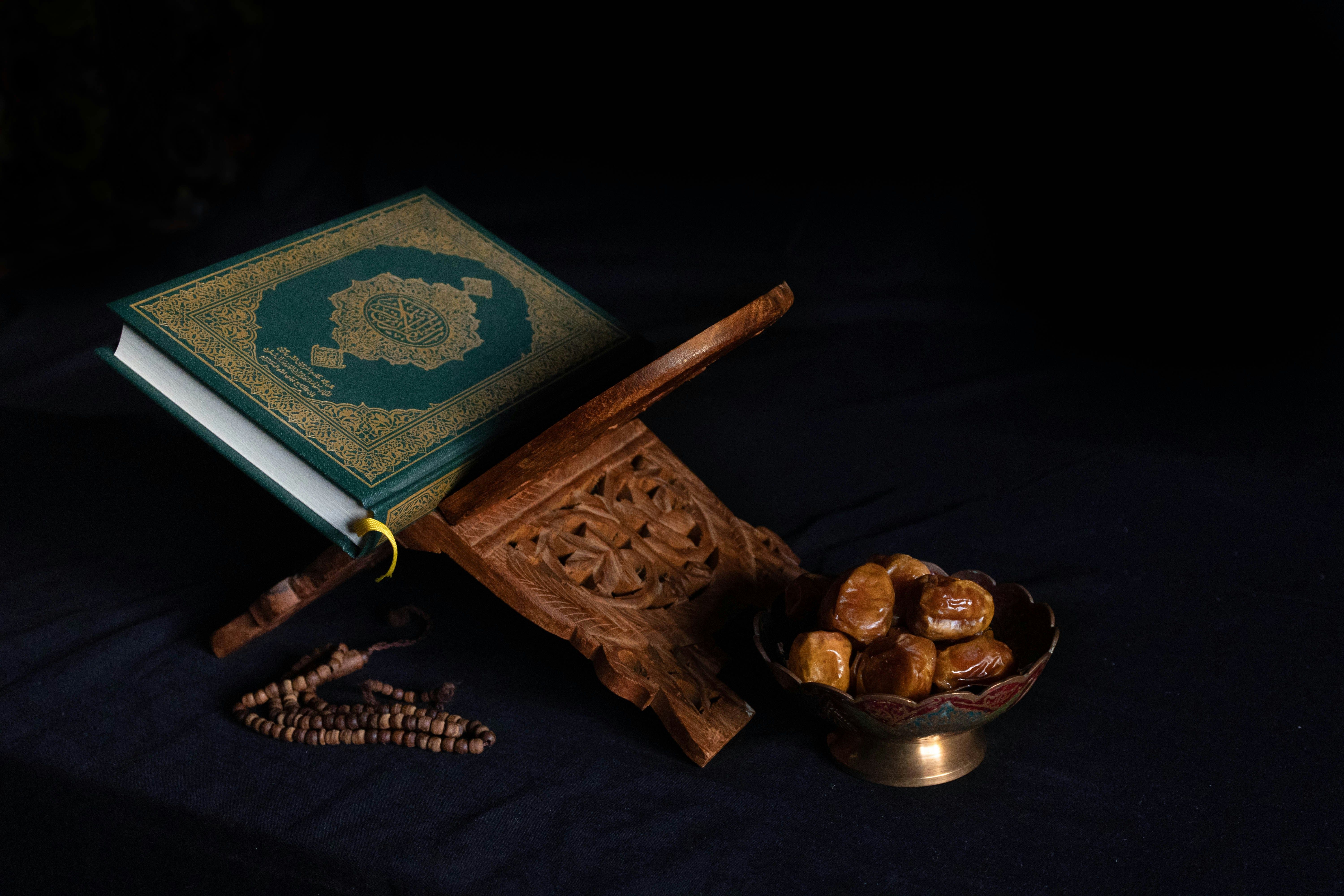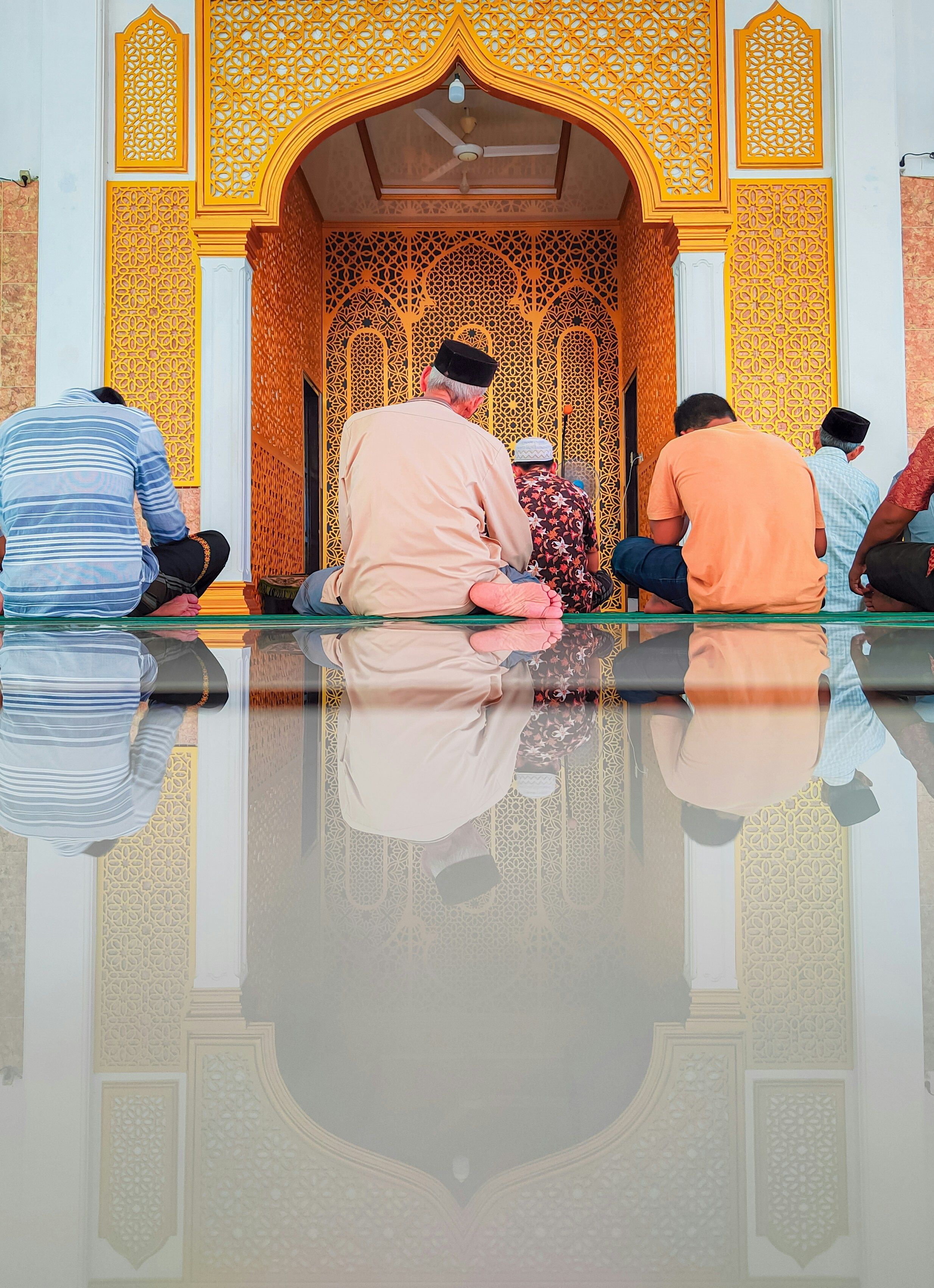
The last ten nights of Ramadan contain Laylatul Qadr, described in the Qur'an as better than a thousand months of worship - more than 83 years. This is a practical guide to using them well.
Why do the last ten nights of Ramadan matter?
They contain Laylatul Qadr. Because its exact date is hidden, the Prophet ◇ intensified worship across all ten nights rather than narrowing effort to one. It is most likely to fall on an odd night - the 21st, 23rd, 25th, 27th or 29th - though scholars agree it could be any of the ten.
How do I strip my nights back to what really counts?
A small, sincere and consistent effort is described as outweighing an intense effort that burns out.
- Prioritise the obligatory prayers - Isha and Fajr anchor each night
- Pray in congregation where possible
- Commit to a fixed, protected worship window, even 20-30 minutes daily
- Reduce screen time and notifications
What does a simple every-night routine look like?
- After Isha: Taraweeh with the imam, where possible
- Qiyam al-layl: a few extra raka'ah
- Qur'an: reflection over quantity
- Du'a: keeping the Laylatul Qadr supplication close
- Before Fajr: a few minutes of istighfar
A dua worth keeping close through these nights:
“Allahumma innaka 'afuwwun tuhibbul 'afwa fa'fu 'anni - O Allah, You are the Pardoner, and You love to pardon, so pardon me.”
How can I make sure my giving covers every night?
Giving across all ten nights is the only way to be certain that Sadaqah lands on Laylatul Qadr, whichever night it falls on. MyTenNights allows a total to be set once and distributed automatically across all ten nights, between Maghrib and Fajr in your time zone.
Should I prepare a du'a list in advance?
Taking 20 quiet minutes before the ten nights begin to write down what matters most means there's no need to search for words during sujood on a night that could be Laylatul Qadr.
What if I miss a night of worship?
Effort during these nights isn't meant as self-punishment, and a night may be missed because of children, work, illness or low energy. What's described as mattering is returning the next evening rather than treating a missed night as a setback.
- Consistency over intensity
- Protect intention
- Guard against sin
- Sleep strategically
- Keep iftars light
Frequently Asked Questions
When are the last ten nights of Ramadan?
They run from the 21st night through to Eid al-Fitr, shifting around 10-11 days earlier each Gregorian year in line with the lunar calendar.
Which night is Laylatul Qadr?
Most likely an odd night, but the exact date is hidden - which is why worship across all ten nights is recommended rather than focusing on one.
What is the best du'a for Laylatul Qadr?
"Allahumma innaka 'afuwwun tuhibbul 'afwa fa'fu 'anni" - "O Allah, You are the Pardoner, and You love to pardon, so pardon me."
Why give charity every night rather than just the 27th?
Because the exact night of Laylatul Qadr is unknown, and a donation given on it is described as carrying the reward of more than a thousand months.
How do I keep up worship alongside work and family commitments?
A small, fixed and protected worship window, automated charity, and strategic rest all help sustain the last ten nights without burnout.
Is Taraweeh obligatory?
No - it is a confirmed sunnah, though staying with the imam until he finishes is described as carrying significant reward.