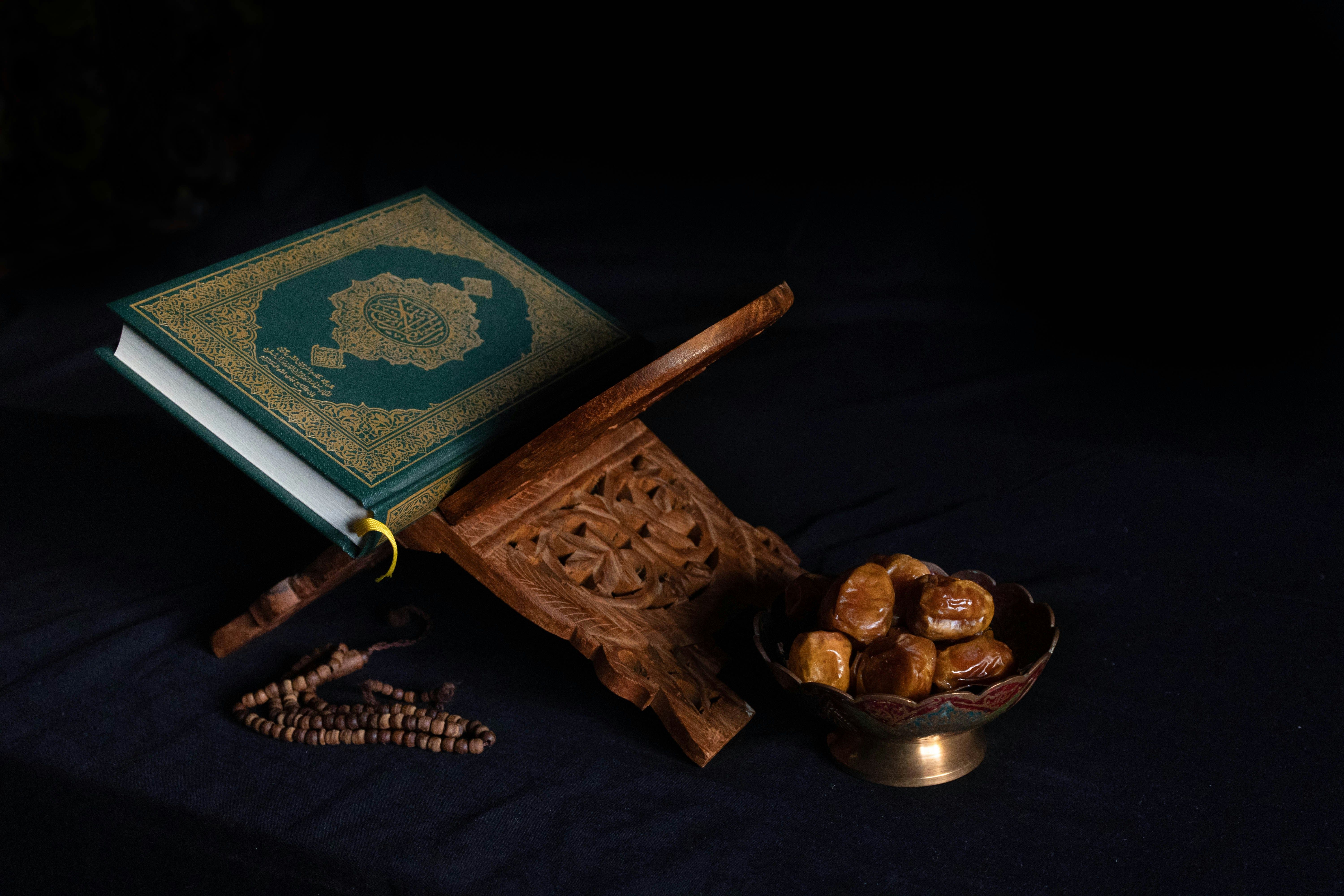
The month of Ramadan and its accompanying fasts are mentioned on five different occasions in the Holy Qur'an. Much of what we understand about the significance of the month, however, comes from the Sunnah of the Prophet (PBUH) and the narrations recorded by his companions. Here are a few ahadith that highlight some of the month's remarkable features.
What Happens to the Gates of Paradise and Hellfire in Ramadan?
“When Ramadan enters, the gates of Paradise are opened, the gates of Hellfire are closed and the devils are chained.”
This hadith describes how Allah (SWT) eases the path to good deeds during this month. With devils chained, there is less temptation for anyone to fall into sin.
Why Is the Reward for Fasting Different From Other Good Deeds?
"Every action a son of Adam does shall be multiplied: a good action by ten times its value, up to 700 times. Allah says: With the exception of fasting, which belongs to Me, and I reward it accordingly. For, one abandons his desire and food for My sake." [Bukhari]
Here we see how Allah (SWT) multiplies the reward for good deeds as He wills, while the reward for fasting specifically is reserved and known to Him alone.
What Is the Reward for Fasting Six Days of Shawwal After Ramadan?
"Whosoever fasts in Ramadan and then follows it with fasting six days of Shawwal, it is as if he fasts forever." [Muslim]
This shows the tremendous reward Allah (SWT) reserves for someone who continues this act of worship a little beyond Ramadan itself.
What Did the Prophet (SAW) Say About the Joy of Fasting?
“There are two occasions of joy for a fasting person: one when he breaks his fast, and the other when he meets his Lord, and the (bad) breath (of a fasting person) is better in the sight of Allah than the fragrance of musk.”
This hadith describes two moments of joy promised to a person who fasts sincerely: the joy of breaking the fast, and the far greater joy of meeting Allah (SWT). It also reframes something often seen as unwanted (the change in breath while fasting) as something regarded, in this hadith, as more precious in Allah's sight than musk, one of the most valued natural fragrances.
Can Fasting in Ramadan Forgive Past Sins?
"Whoever observes fasts during the month of Ramadan out of sincere faith, and hoping to attain Allah's rewards, then all his past sins will be forgiven." [Bukhari and Muslim]
Each Ramadan represents a chance for forgiveness and mercy, a reason to make the most of every moment of goodness the month brings.
Frequently Asked Questions
Why are the gates of Hellfire described as closed in Ramadan?
The hadith describes this as a sign of how much easier it becomes to do good and resist temptation during the month, since the devils are described as being chained.
Does fasting six days of Shawwal literally count as fasting all year?
The hadith uses this comparison to describe the scale of the reward rather than a literal claim of continuous fasting.
What does it mean that fasting is "for Allah alone"?
It reflects that Allah alone knows and determines the reward for fasting, unlike other deeds whose multiplied reward is described in specific terms.