What Are the Most Blessed Times of the Day in Islam?
Islam does not treat every hour of the day the same. A handful of recurring moments, within a single day and across the week, carry extra weight for dua, worship and charity, based on authentic hadith and the Qur'an.
These are the times worth building a habit around: the last third of the night, the time just before Fajr, the short gap between the adhan and the iqamah for any prayer, the moment of breaking the fast/iftar in Ramadan, and the last hour of Friday before Maghrib. Each one is backed by its own hadith, and each rewards a slightly different kind of worship.
- The last third of the night: for tahajjud prayer and dua
- The time just before Fajr: for suhoor in Ramadan and seeking forgiveness at dawn
- Between the adhan and iqamah: a short window when dua is not turned away
- The moment of iftar: when a fasting person's dua is especially likely to be accepted
- The last hour of Friday, between Asr and Maghrib: known as the hour of acceptance
Why Is the Last Third of the Night So Special?
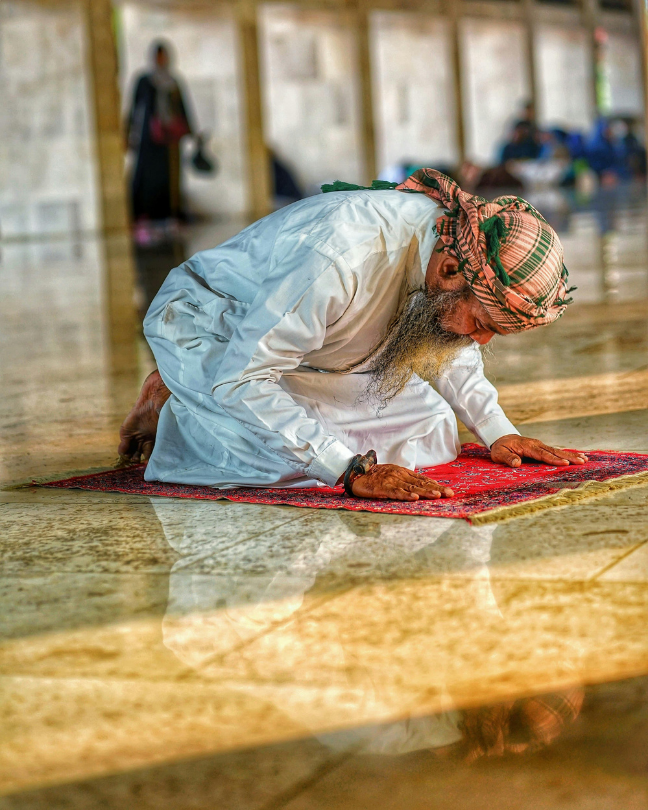
The last third of the night is widely held to be the most blessed time in the 24-hour cycle, because of a hadith describing Allah (SWT) drawing near in that period to answer the prayers of anyone awake. It is the time associated with tahajjud, the voluntary night prayer the Prophet Muhammad ﷺ rarely left.
“Our Lord, the Blessed and Exalted, descends every night to the lowest heaven when the last third of the night remains, and says: 'Who is calling upon Me, that I may answer him? Who is asking of Me, that I may give him? Who is seeking My forgiveness, that I may forgive him?'”
What to do during this time: pray two or more rak'ahs of tahajjud, make dua in your own words, recite Qur'an slowly, and use the quiet for istighfar (asking forgiveness). There is no minimum; even two rak'ahs counts as having taken part in the sunnah.
The exact clock time shifts through the year with sunset and sunrise. A simple way to find it: divide the hours between Maghrib and the next Fajr into three, and the final third is the window in question.
What Should You Do in the Time Just Before Fajr?
The time just before Fajr overlaps with the last third of the night but has its own distinct practices: eating suhoor during Ramadan, and asking for forgiveness in the final minutes before dawn.
The Prophet Muhammad ﷺ told his companions to eat suhoor because there is blessing in it, and delaying it close to Fajr is part of the sunnah, so long as it's finished before the fast begins. The Qur'an also describes believers who spend the hours before dawn seeking forgiveness (Qur'an 51:18).
What to do: eat a suhoor meal in Ramadan even if it's light, make istighfar, and use the last few minutes before Fajr for a final dua before the day takes over.
Why Is the Dua Between the Adhan and Iqamah Never Rejected?
The short gap between the call to prayer (adhan) and the start of the prayer (iqamah) is singled out in hadith as a time when dua is not turned away, for any of the five daily prayers, not just one.
The Prophet Muhammad ﷺ said that dua made between the adhan and the iqamah is not rejected, a narration recorded in collections including al-Tirmidhi, Abu Dawud and Ahmad. It's a small, repeatable window, five chances a day, at home, at work or in the mosque.
What to do: rather than making small talk or checking a phone while waiting for the prayer to start, use those few minutes for a short, sincere dua, in Arabic or your own language.
What Makes the Moment of Breaking the Fast (Iftar) So Powerful?
The moment just before breaking the fast in Ramadan is one of a small number of times the Prophet Muhammad ﷺ described as unlikely to be turned away, alongside the dua of someone who has been wronged and the dua of a just leader.
This narration, recorded by al-Tirmidhi, names the fasting person's dua at the point of iftar as one Allah (SWT) does not reject. It's a moment many people rush through to eat; pausing for even thirty seconds of dua before the first sip of water is worth more than the meal itself.
What to do: prepare your dua before the Maghrib adhan, so you're not composing it with food in front of you. It's also one of the best times to pair dua with charity: feeding another fasting person carries its own separate reward, on top of anything asked for at that moment.
Is There a Special Hour on Friday?
Yes. Friday carries a single hour, somewhere in the day, when dua made is answered. Most scholars place it in the last hour before Maghrib, between Asr and sunset.
The Prophet Muhammad ﷺ described a moment on Friday when a Muslim's request is granted if asked at that exact time. Scholars have never agreed on the precise minute, since not knowing encourages worship throughout the day, but a well-known narration points to the final hour after Asr as the most likely candidate.
This is covered in far more depth, including how to plan around it and how to automate charity during it, in MyFridays' dedicated guide to the hour of acceptance. If Friday giving is something you want to turn into a habit rather than remember each week, that's what MyFridays (MF) is built for.
How Do the Last Ten Nights of Ramadan Multiply These Blessed Times?
During Ramadan's last ten nights, the last third of the night and Laylatul Qadr overlap, making those nights the most concentrated opportunity for dua, worship and charity in the entire year.
“The Night of Decree is better than a thousand months.”
Laylatul Qadr falls on one of the odd nights in the last ten, most commonly associated with the 27th, though the Prophet Muhammad ﷺ did not name a single fixed date. Worship on that one night is described in the Qur'an as outweighing over eighty years of ordinary worship.
What to do: increase tahajjud, Qur'an recitation and dua across all ten nights rather than betting on one, and treat charity given in this period as carrying the same amplified weight as prayer does. MyTenNights (MTN) is built to help automate that giving across the last ten nights, so it still happens on nights spent in worship.
None of these times require anything elaborate. What they share is that ordinary acts, a two-minute dua, a short prayer, a small amount of charity, carry more weight simply because of when they happen. Building a habit around even one or two of them is enough to change how Ramadan, Fridays and ordinary nights feel.
Frequently Asked Questions
What is the single most blessed time of the day in Islam?
Most scholars point to the last third of the night, based on the hadith describing Allah (SWT) drawing near in that period to answer prayers and grant forgiveness.
How do I know when the last third of the night starts?
Divide the time between Maghrib and the next Fajr into three equal parts; the final part is the last third of the night. It shifts through the year, so it's worth checking a prayer timetable rather than assuming a fixed clock time.
Is dua between the adhan and iqamah only for Fajr, or all five prayers?
It applies to all five daily prayers, not just Fajr. Any short wait between the call to prayer and the start of the congregational prayer is a valid window for dua.
Is the Friday hour of acceptance the same as Laylatul Qadr?
No, they're different. The hour of acceptance is a weekly moment on Friday, most commonly placed in the last hour before Maghrib. Laylatul Qadr is a single night within the last ten nights of Ramadan that occurs once a year.
What should I actually say in dua during these times?
There's no requirement to use specific Arabic phrases. A sincere request in your own language counts as dua. Many people combine a few short Qur'anic supplications with personal requests in whatever language they're most comfortable in.
Does giving charity during these times matter, or just dua?
Charity given during these windows (iftar, the last ten nights, Friday's last hour) is encouraged alongside dua, not instead of it. Many people use these times to combine a moment of prayer with a small, recurring donation.