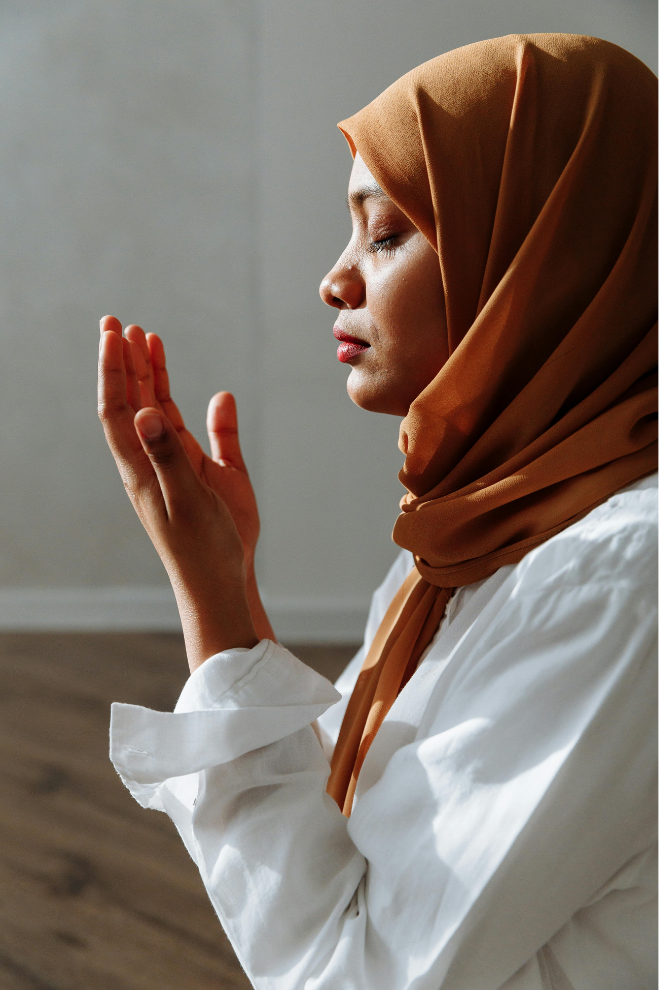
Ramadan is the most generous season of the Islamic calendar - a time of reflection, spiritual renewal and community care. With so many appeals competing for attention, deciding where to give can be difficult. This guide sets out how to prioritise high-impact Zakat and Sadaqah giving, balance immediate relief with long-term change, and plan donations meaningfully ahead of the final ten nights, when reward is multiplied.
How should I prioritise my Zakat during Ramadan?
Zakat should form the foundation of a Ramadan giving plan. As one of the five pillars of Islam, it redistributes wealth and supports the vulnerable, and if you are eligible to pay it, it takes priority over voluntary giving.
- Look for charities that clearly mark which projects are Zakat-eligible and explain how funds are distributed
- Prioritise areas of greatest need, such as food, shelter, medical care and essential debts
- Remember that Zakat has specific eligible-recipient rules, so be intentional that it reaches those it is designed for
Zakat is an obligation, but it is also an opportunity - a reminder that wealth is held in trust.
How do I choose Sadaqah causes that reflect my values?
Beyond Zakat, Sadaqah allows giving of any amount, at any time, to any cause. Some Sadaqah supports daily iftar meals and food parcels; other giving invests in longer-term education, healthcare or livelihoods. There is no single "best" charity - only value in choosing causes that reflect what matters most. Useful angles for narrowing down causes include:
- Immediate relief causes, such as food, shelter and healthcare
- Long-term change causes, such as education, clean water and mental health support
- A local focus, an international focus, or a mix of both
- Causes already supported in previous years
How do I balance short-term relief with long-term impact?
Ramadan appeals often centre on food packs, iftar sponsorship and one-off emergency appeals, which provide immediate dignity to those in need. Sadaqah can also fund long-term change through Sadaqah Jariyah - ongoing charity whose benefit continues over time. A starting model some use:
- 30-50% toward short-term giving: food parcels, Ramadan meals, emergency response
- 50-70% toward long-term giving: education, healthcare, clean water, orphan care, livelihoods
This is a starting point rather than a rule, and can be adjusted to individual circumstances.
Should Ramadan giving include local UK causes?
Rising living costs, housing insecurity and youth unemployment affect UK communities as well as those overseas, and giving locally reflects the Prophetic emphasis on caring for those nearest first.
- Food banks and meal services
- Charities helping with rent arrears or utility bills
- Mentoring and education programmes for disadvantaged young people
How can I keep my giving consistent throughout Ramadan?
Ramadan is a busy month, and a clear plan makes it easier to stay consistent rather than giving in bursts or forgetting altogether.
- Calculate your Zakat early and discharge it through a trustworthy programme
- Set a Sadaqah budget for the rest of the month
Automate giving across the final ten nights with a platform such as MyTenNights, or spread it through the month with MyFridays or MyTenDays.
“The likeness of those who spend their wealth in the way of Allah is as the likeness of a grain which grows seven ears, in every ear a hundred grains. Allah gives increase manifold to whom He wills.”
Frequently Asked Questions
Should I pay Zakat before giving Sadaqah?
Yes - if wealth has reached the nisab threshold and a lunar year has passed, Zakat is an obligation and takes priority. Sadaqah can be given in addition, at any time and in any amount.
What's a reasonable split between short-term and long-term giving?
A common starting model is 30-50% toward immediate relief and 50-70% toward longer-term causes such as education, healthcare and livelihoods, adjusted to individual circumstances.
Is it better to give locally or internationally?
Both have a place. Local UK causes such as food banks and rent-arrears support reflect the Prophetic emphasis on those nearest first, while international causes address need elsewhere - many donors do both.
How can I avoid missing a night of giving during Ramadan?
Automating donations through a platform such as MyTenNights spreads a chosen total automatically across the final ten nights, which helps maintain consistency through a busy month.