What Does Sadaqah Jariyah Mean?
Sadaqah jariyah means ongoing or continuous charity: a charitable act whose reward keeps accruing for the giver for as long as it keeps benefiting people, even after the giver has died. It is different from a one-off sadaqah, which is rewarded once, at the point it is given.
The word "jariyah" comes from an Arabic root meaning to flow or to run continuously. A regular sadaqah, handing money to someone in need or feeding a hungry family, is complete the moment the act is done. Sadaqah jariyah is built to keep working after that moment. A well keeps giving water, a mosque keeps hosting prayers, a school keeps educating children, long after the person who funded it has died. Each time that structure benefits someone, the giver is credited with reward, even from beyond the grave.
What Is the Hadith Evidence for Sadaqah Jariyah?
The concept rests on a well known hadith narrated by Abu Hurairah (RA) and recorded in Sahih Muslim, in which Prophet Muhammad ﷺ describes three things that keep benefiting a person after death.
“When a man dies, his deeds come to an end except for three: ongoing charity, beneficial knowledge, or a righteous child who prays for him.”
Sadaqah jariyah is the first of these three, and it sits alongside two things that work the same way: knowledge that keeps helping people after you have taught it, and a child raised to live well and to pray for you. A related hadith, recorded by Ibn Majah, lists further specific examples of deeds whose reward flows on after death, including a copy of the Qur'an left behind, a mosque built, a well dug, and a home built for travellers. It is this second hadith that scholars often point to when explaining which physical projects qualify as sadaqah jariyah.
What Causes Count as Sadaqah Jariyah?
Any project that keeps producing benefit long after the original gift can count as sadaqah jariyah. Scholars and major Islamic charities commonly point to the same handful of causes.
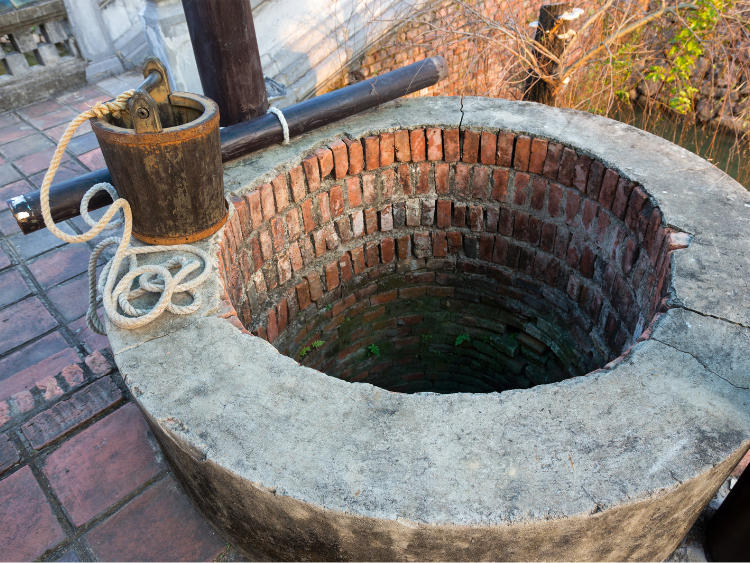
- Water wells and clean water projects, which keep supplying communities for years
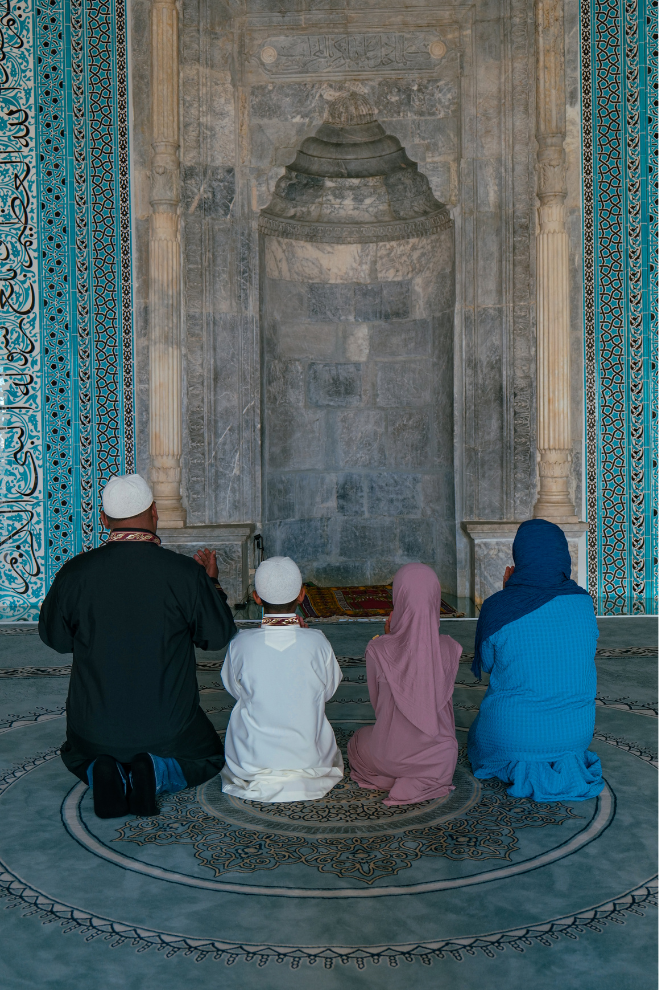
- Mosques and community prayer spaces, used for worship long after they are built
- Orphan sponsorship, where ongoing support covers a child's food, education and care over time
- Planting trees, which the Prophet Muhammad ﷺ described as a form of charity for as long as people, animals or birds benefit from them
- Funding a copy of the Qur'an, or its printing and distribution, so it continues to be read
- Education, including schools, madrasas, scholarships and teachers' salaries
- Healthcare facilities, such as clinics, hospitals and medical equipment that keep treating patients
- Waqf (endowments): land, buildings or income-generating assets permanently dedicated to charitable use, the classical model most other causes on this list are built on
Some scholars draw a technical line between a fixed structure like a well or a waqf, which is sadaqah jariyah in the strict sense, and a recurring subscription such as orphan sponsorship, which is really a sadaqah repeated on a schedule. In practice the two work the same way for the giver. As long as the support keeps flowing and keeps benefiting the child, the giver keeps earning reward for it.
How Should You Give Sadaqah Jariyah?
Consistency and intention matter more than the size of any single gift. A small amount given regularly, with a sincere intention, can build ongoing impact just as effectively as a single large donation.
This reflects a wider principle in the hadith literature: the deeds Allah (SWT) loves most are the ones done consistently, even if small, a teaching found in Sahih al-Bukhari and Sahih Muslim. The Prophet Muhammad ﷺ also taught his companions to guard themselves against the Fire even with half a date given in charity, a reminder that no amount is too small to count.
The practical risk with sadaqah jariyah is not a lack of good intentions, it is lapse. A plan to give regularly is easy to set and easy to let slip once life gets busy. Automating a recurring donation removes that risk. The giving happens on schedule whether or not you remember to do it that week, so the ongoing charity keeps flowing without depending on your memory or your mood.
This is where MyFridays fits in. MyFridays sets up a small, automated donation that goes out every Friday, the day the Prophet Muhammad ﷺ described as the best day of the week. Rather than making a single sadaqah jariyah decision once and hoping it repeats itself, MyFridays turns giving into a standing habit: a good deed that keeps producing reward without you having to make the decision again each week.
Can You Give Sadaqah Jariyah as a One-Off Donation?
Yes. A single lump sum given at a spiritually significant time can fund an entire sadaqah jariyah project outright, such as a well or a year of orphan sponsorship.
MyTenNights, for the last ten nights of Ramadan, and MyTenDays, for the first ten days of Dhul Hijjah, are natural times to do this. Both periods carry multiplied reward, and many givers prefer to concentrate a larger gift then rather than spread it across the year. Funding a well, a Qur'an distribution project, or a year of orphan sponsorship during MTN's ten nights or MTD's ten days achieves the same ongoing impact as a recurring donation, just delivered in one gift.
Neither approach is more valid than the other. What matters, per the hadith above, is that the charity itself keeps flowing after you give it. Whether that ongoing impact is built through fifty-two small Friday gifts or one lump sum given during Dhul Hijjah, the reward accrues the same way.
Frequently Asked Questions
Is sadaqah jariyah the same as waqf? Not exactly. Waqf is a specific legal structure, an asset permanently dedicated to charitable use, and it is the classical vehicle for creating sadaqah jariyah. Sadaqah jariyah is the broader concept: any charitable act whose benefit and reward continue after the initial gift. All waqf is sadaqah jariyah, but not all sadaqah jariyah is formally structured as waqf.
Can sadaqah jariyah be given on behalf of someone who has died? Yes. Giving sadaqah jariyah on behalf of a deceased parent or relative is one of the most common ways Muslims continue to send reward to them, and scholars point to this practice within the wider hadith about deeds that keep benefiting a person after death.
How much do I need to give to start sadaqah jariyah? There is no minimum. What counts is that the gift funds something built to keep benefiting people, such as a share in a well or a contribution to a school, rather than the size of the amount.
Does sadaqah jariyah replace obligatory zakat? No. Zakat is a separate, obligatory pillar of Islam with its own rules on who must pay it and how much. Sadaqah jariyah is voluntary charity and does not fulfil a zakat obligation.
What is the difference between sadaqah jariyah and regular sadaqah? Regular sadaqah is rewarded once, at the moment it is given, like handing money to someone in need. Sadaqah jariyah keeps producing reward for as long as the thing it funded keeps benefiting people.
Can a small recurring donation really count as sadaqah jariyah? Yes, as long as it funds or sustains something ongoing, such as monthly orphan sponsorship or a subscription that supports a well's upkeep. A small amount given consistently can build the same kind of lasting impact as a single large gift.