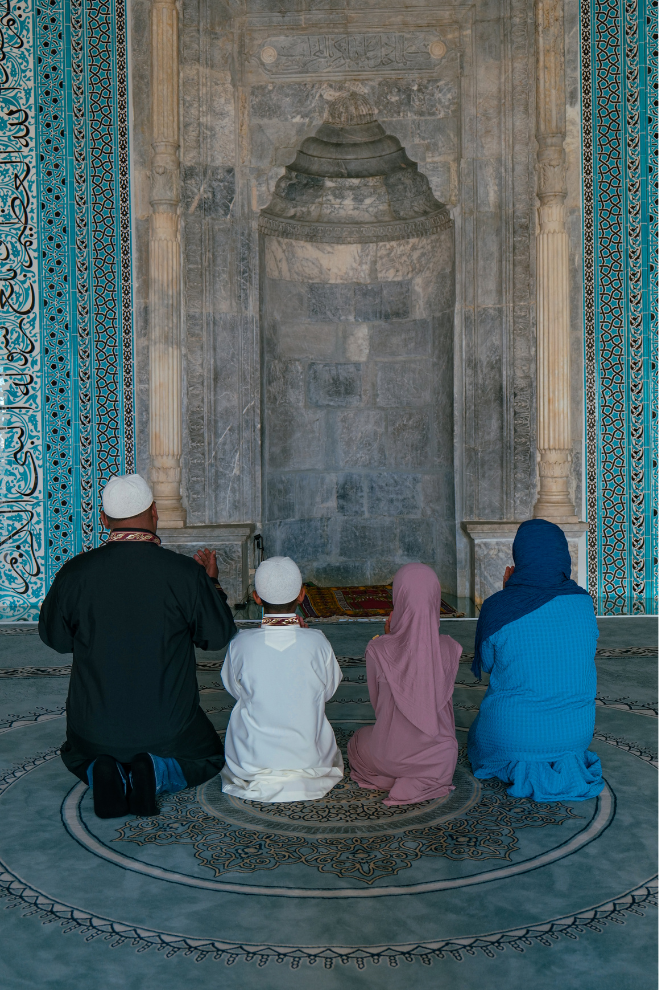
Zakat is one of the most important, and most misunderstood, obligations in Islam. It is the third pillar of Islam - not simply a charitable donation, but a religious duty rooted in the purification of wealth, its growth, and social equity.
What is Zakat?
Zakat comes from an Arabic root meaning "to purify" and "to grow." Paying it purifies wealth from greed and self-interest, while the wealth that remains is described as blessed and protected. Zakat becomes obligatory for a Muslim who:
- Is an adult of sound mind
- Has owned wealth above the nisab threshold
- Has held that wealth for at least one full lunar year
The standard rate is 2.5% of qualifying wealth.
Who is eligible to receive Zakat?
Zakat must go to one or more of eight categories set out in the Qur'an.
“Indeed, the Zakat expenditures are only for the poor, the needy, those employed to collect it, those whose hearts are to be reconciled, to free those in bondage, for those in debt, in the cause of Allah, and for the stranded traveller - an obligation from Allah.”
- The poor (al-fuqara)
- The needy (al-masakin)
- Those employed to collect Zakat
- Those whose hearts are to be reconciled
- Those to be freed from bondage
- Those in debt
- Those striving in the cause of Allah
- The stranded traveller
Zakat cannot be used for mosques, schools or general infrastructure - giving toward those is Sadaqah Jariyah, not Zakat.
What wealth is zakatable?
Only wealth that is productive or growing in nature, and held for one full lunar year (hawl) at or above nisab, is zakatable.
- Cash, whether in the bank or held at home
- Gold and silver, including jewellery (subject to madhhab-specific rulings)
- Business stock - retail or trade goods
- The zakatable portion of investments such as stocks, shares or pensions
- Money owed to you, where realistically repayable
Not zakatable: a primary residence, personal items such as furniture, clothes or a personal car, and non-income-generating property. For complex assets such as pensions, cryptocurrency or mixed investments, it's worth consulting a scholar or a reliable Zakat organisation.
How do I calculate Zakat step by step?
- Pick a Zakat date - many choose a day within Ramadan - and keep to it every year
- List all zakatable assets: cash in the bank or held physically; the current market value of gold and silver; the sale value of business inventory; receivables realistically expected to be repaid; the zakatable portion of investments
- Subtract immediate debts - only bills or debts due right now, not the full balance of a long-term mortgage
- Check the total against nisab - if net wealth held for one lunar year is at or above nisab, Zakat is due (nisab moves with gold and silver prices)
- Calculate 2.5% of total zakatable wealth
For example, if zakatable assets total £11,000 and £500 is owed in bills, net wealth is £10,500. Zakat due is £10,500 × 0.025 = £262.50. Some choose to round up slightly as a precaution.
Are there tools to help calculate Zakat?
Platforms such as MyTenNights and MyFridays let you split donations across eligible causes and schedule giving automatically - for example, across the last ten nights of Ramadan. If you need help working out the exact amount due, a few free Zakat calculators are available:
- National Zakat Foundation's Zakat calculator
- Islamic Relief's Zakat calculator
- Muslim Aid's Zakat calculator
Frequently Asked Questions
Which assets are subject to Zakat?
Cash, gold, silver, business inventory, the zakatable portion of investments, and debts owed to you that are realistically repayable.
How do I find this year's nisab threshold?
Check with a reliable charity or Islamic finance body - many publish the current nisab monthly, since it moves with gold and silver prices.
How do I calculate Zakat on savings and investments?
Apply 2.5% to savings. For investments, the calculation depends on the type of asset - a Zakat calculator or a scholar can help work out the zakatable portion.
What about business stock?
Zakat is calculated on the sale value of stock, not what it originally cost to purchase.
Can I give Zakat to a family member?
Yes, if they are eligible and in need - for example, poor or indebted - but not to those you are directly financially responsible for, such as a spouse, children or parents.